Real Estate Investment Tips: Legal Insights for Brownsville Investors
Understanding Legal Requirements
Investing in real estate in Brownsville can be a lucrative venture, but navigating the legal aspects is crucial. Understanding local regulations and zoning laws is essential to avoid potential pitfalls. Familiarize yourself with the legal requirements specific to Brownsville to ensure your investment remains compliant with local laws.

Before purchasing any property, conduct thorough due diligence. This involves checking the property’s title for any liens or encumbrances and ensuring that all taxes are up to date. Engaging with a local real estate attorney can provide valuable insights and help streamline this process.
Property Taxes and Assessments
Property taxes in Brownsville can significantly impact your investment's profitability. It’s important to understand how these taxes are assessed and any potential exemptions that may apply. Regularly reviewing your property’s assessed value and appealing if necessary can save you money in the long run.
Investors should be aware of any special assessments or community development fees that might apply. These additional costs can affect your budget and should be factored into your financial planning.

Lease Agreements and Tenant Laws
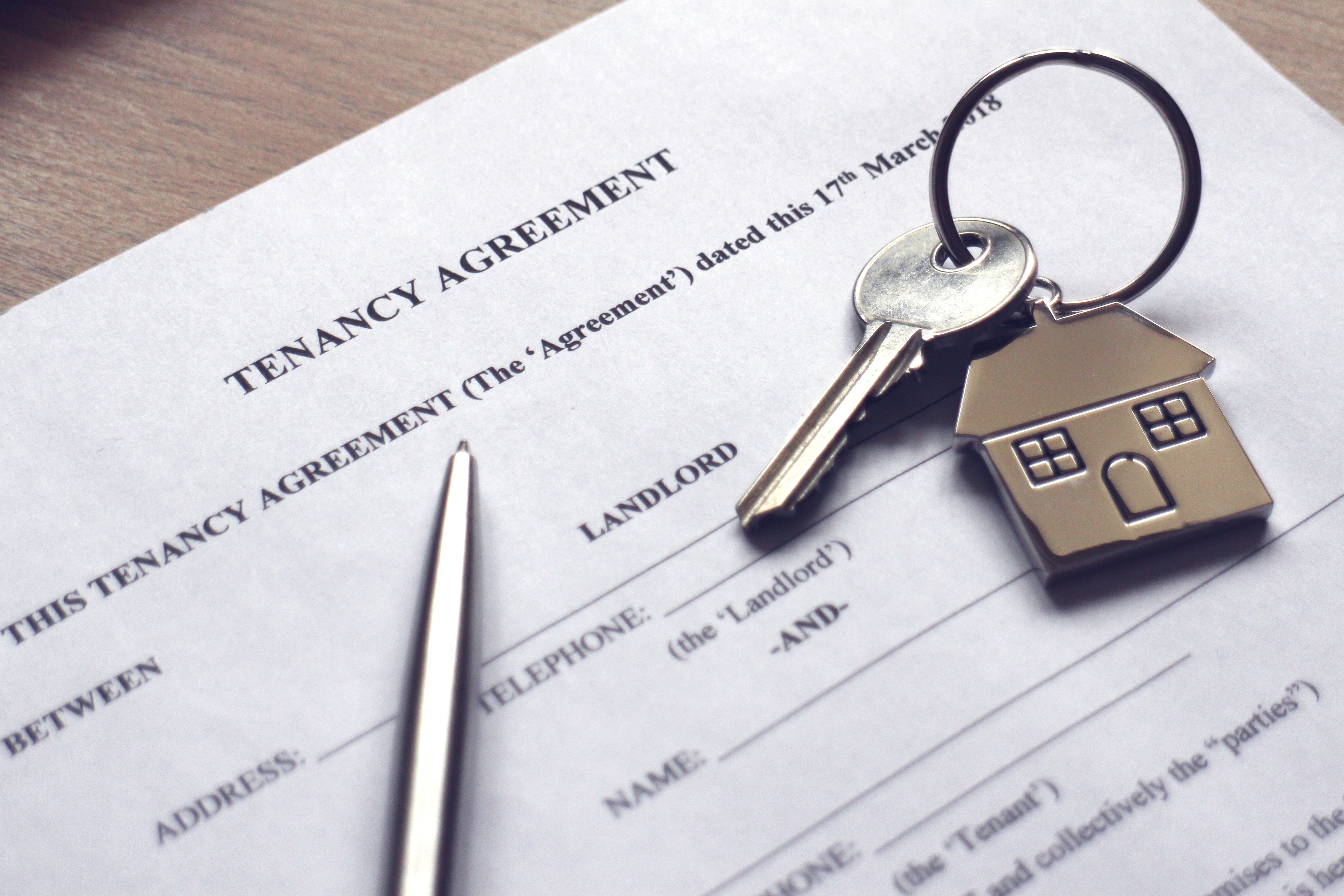
For those looking to rent out their Brownsville properties, understanding lease agreements and tenant laws is crucial. Ensure that your lease agreements are comprehensive and comply with Texas state laws. This includes clear terms regarding rent, maintenance responsibilities, and eviction procedures.
Brownsville has specific tenant rights that landlords must respect. Being knowledgeable about these rights not only helps in maintaining a good relationship with tenants but also protects you from legal disputes. Consider consulting a legal expert to draft or review your lease agreements.
Environmental Regulations
Environmental considerations are becoming increasingly important in real estate investments. Brownsville investors should be aware of any environmental regulations that could affect their properties. This includes understanding flood zones, contamination risks, and other environmental hazards.
Performing an environmental assessment before purchasing can prevent future liabilities. If any issues are uncovered, work with local authorities to address them promptly to avoid fines or legal action.
Working with Local Professionals
Finally, building a network of local professionals, such as real estate agents, attorneys, and accountants, can provide invaluable support. These experts can offer guidance specific to the Brownsville market and help you navigate any legal challenges.
Investing in real estate requires a solid understanding of the legal landscape. By staying informed and seeking professional advice, Brownsville investors can protect their investments and maximize returns.