Exploring Real Estate Development in Cameron County: Legal Perspectives
Understanding Real Estate Development in Cameron County
Real estate development in Cameron County presents a unique set of opportunities and challenges. Situated in a region that is experiencing significant growth, developers are keen to explore the potential this area holds. However, understanding the legal landscape is crucial for successful development.
Cameron County, located in the southernmost part of Texas, offers a mix of urban and rural environments, making it an attractive location for various types of real estate projects. Whether it’s residential, commercial, or industrial, each sector requires careful legal consideration to ensure compliance and success.

Key Legal Considerations
When approaching real estate development in Cameron County, there are several legal factors that developers must consider. These include zoning laws, environmental regulations, and property rights. Understanding these aspects can help developers navigate potential legal hurdles effectively.
Zoning laws dictate how land can be used in specific areas. Developers need to ensure that their projects align with local zoning requirements to avoid legal complications. Each municipality within Cameron County may have its own set of zoning ordinances, making it essential for developers to conduct thorough research.
Environmental Regulations
Environmental considerations are another critical legal aspect of real estate development. Cameron County is home to various ecosystems that developers must account for. Compliance with state and federal environmental regulations, including those related to wetlands and protected species, is vital to avoid legal issues.
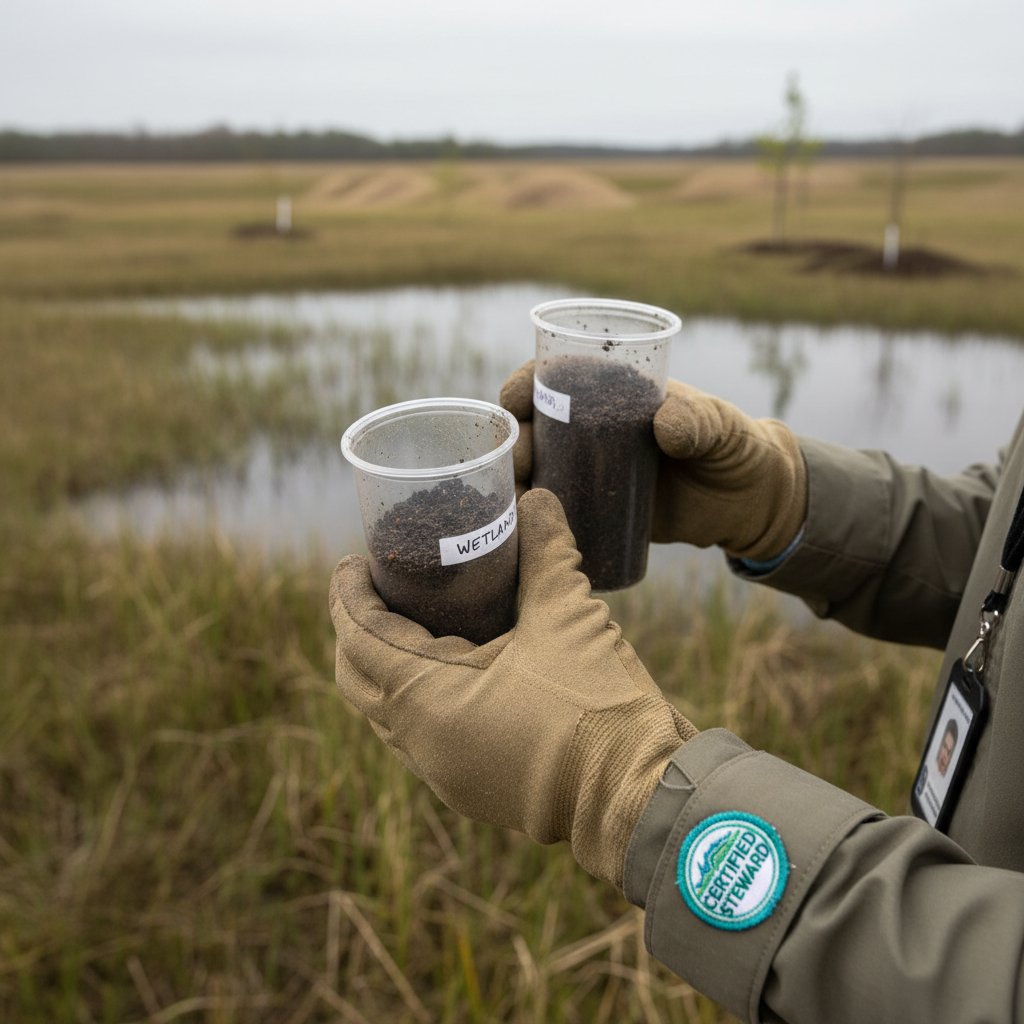
Developers may need to conduct environmental impact assessments and obtain necessary permits before proceeding with construction. Working with legal experts who specialize in environmental law can provide valuable guidance throughout this process.
Property Rights and Acquisitions
Property rights are fundamental in real estate development. Developers must ensure that they have clear title to the land and that any acquisitions are conducted legally. This involves thorough due diligence and often, negotiations with property owners.
Issues such as easements, liens, and encroachments can complicate development plans. Therefore, engaging with experienced real estate attorneys can help in identifying and resolving potential legal disputes related to property rights.

Working with Local Authorities
Collaboration with local authorities is essential for smooth project execution. Developers need to work closely with city planners and county officials to ensure that all aspects of their projects meet local building codes and regulations.
Building strong relationships with these authorities can facilitate the approval process and help address any concerns that may arise during development. Being proactive in communication can also lead to more efficient project timelines.
Conclusion
Exploring real estate development in Cameron County requires a comprehensive understanding of the legal landscape. By addressing zoning laws, environmental regulations, and property rights, developers can navigate the complexities of this market effectively.
Staying informed and working with legal professionals can ensure that projects not only comply with legal standards but also contribute positively to the growth and development of Cameron County.